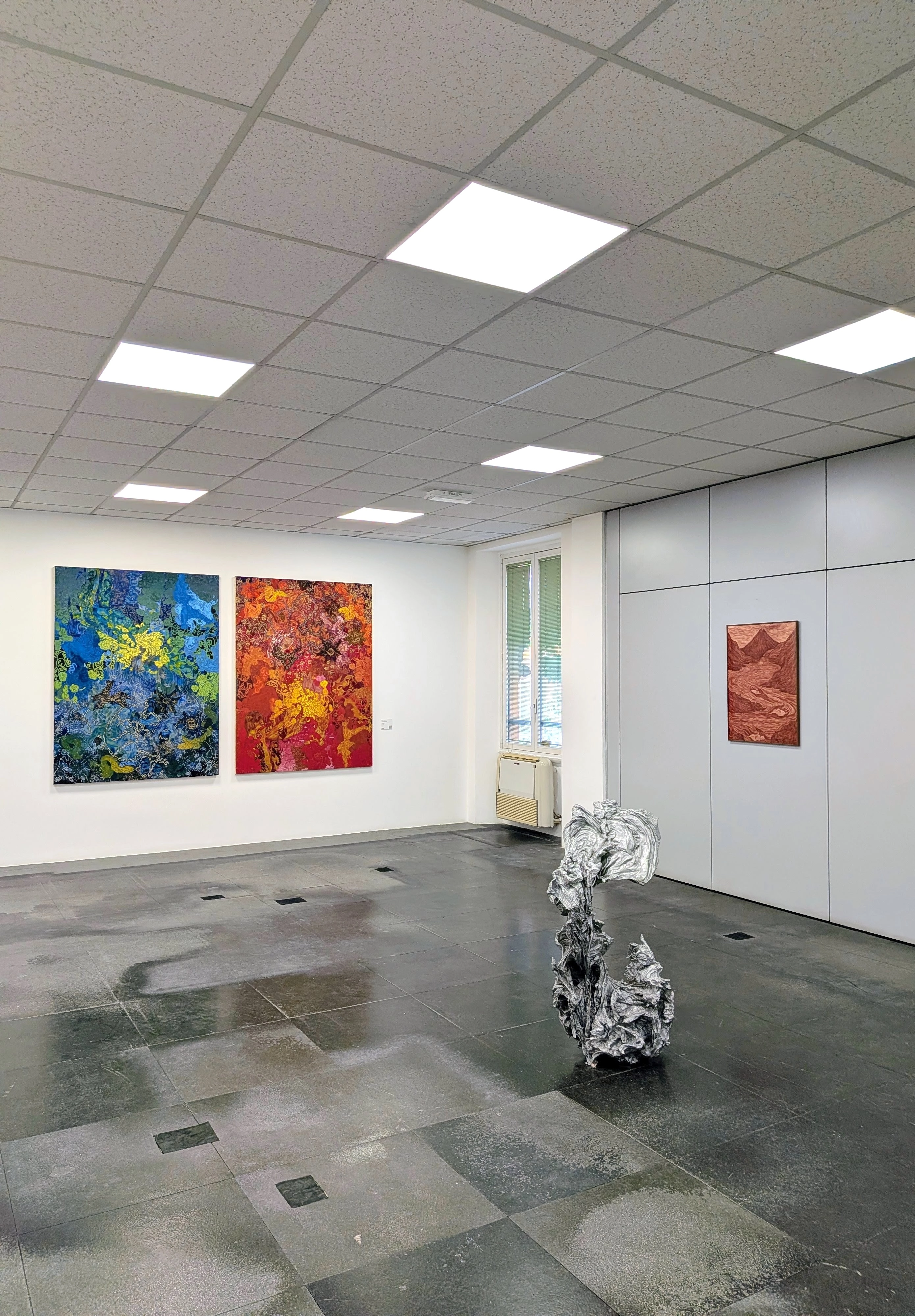
'MEGA - Milano, 2026'
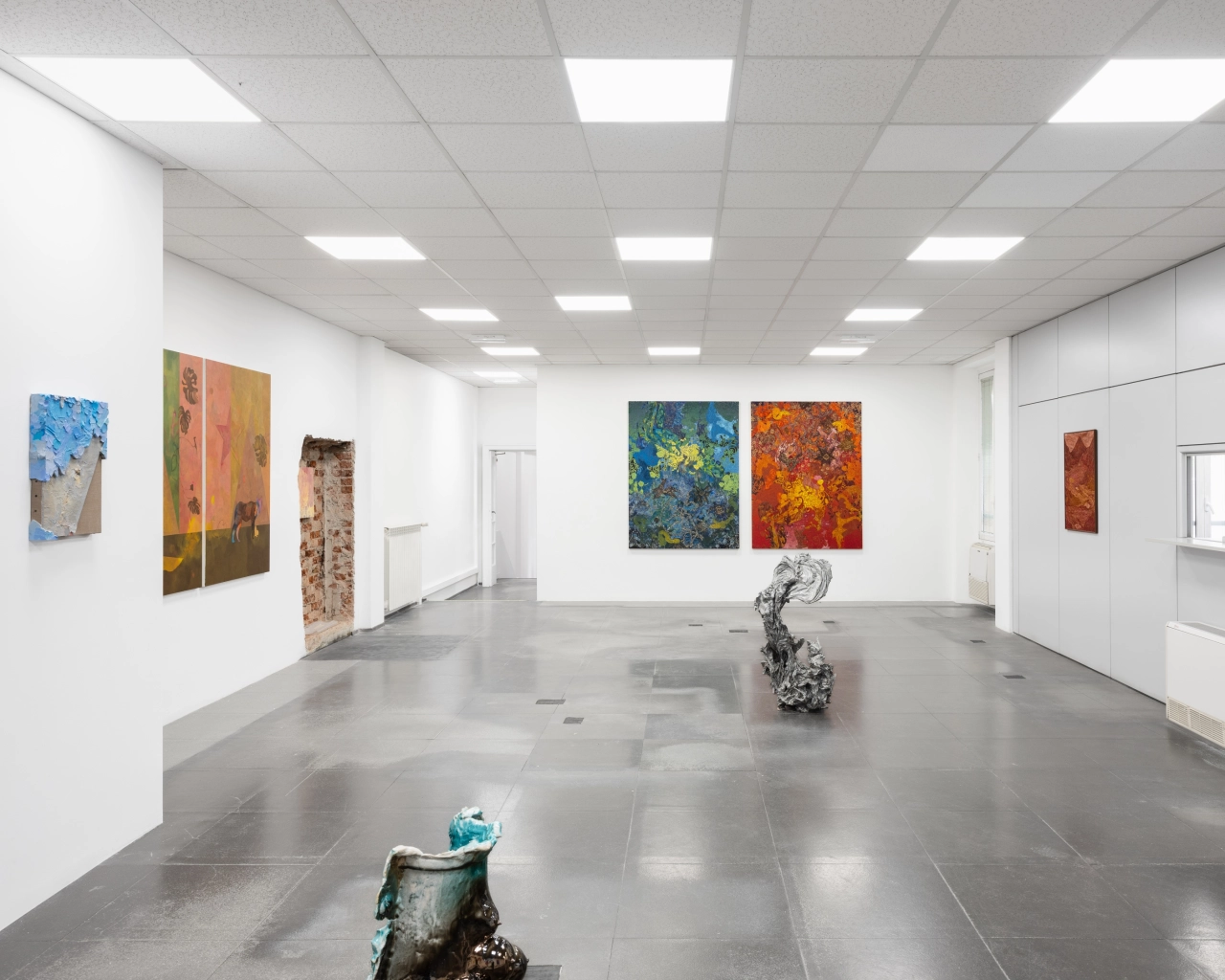
'Natantes in Peccatum'
with a work by Alison Flora
“One of them emerges from a boat in Reynishöfn, and she is its captain: Petrónella d'Ástún, widow and virgin, with long black hair reaching down to her knees, black eyes, and a remarkable vigor. She wears rings on every finger, and hoops in her ears and nose. Some claim she has them elsewhere as well, but I do not wish to know if such a strangeness is possible. Petrónella wears ample garments made of vaðmál, so that no one may know her body. Others maintain that she is a man, or half-woman half-man, as God created us in the beginning.”
In his novel Jón (2010), set in late 18th-century Iceland, the poet and writer Ófeigur Sigurðsson (1975) brings to life Petrónella d’Astun, a mystical female figure shrouded in a mysterious aura that captivated the Icelandic society of the time.
Siren or witch—or perhaps both—she seems to possess that precious, much-coveted power: the ability to swim.
A strange paradox defines these men who spent the better part of their lives at sea, yet were haunted by the fear of dipping so much as a toe into it.
Sigurðsson transforms Petrónella into a heroine, an anachronistic character who could just as easily emerge from a medieval saga as from our contemporary world.
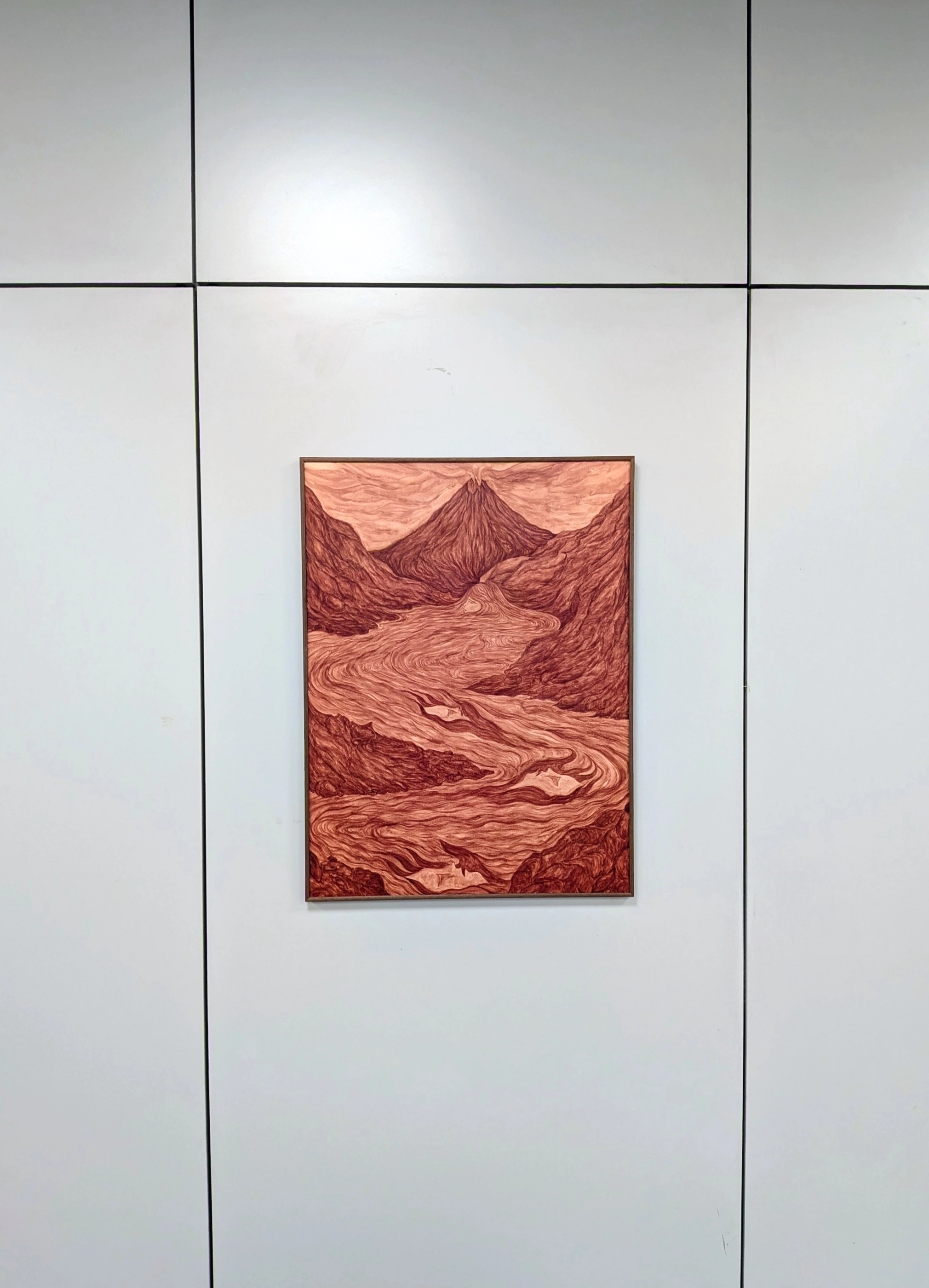
Alison Flora (1992) chooses to embody her on paper using her own blood.
For Petrónella is Alison, and Alison is Petrónella.
The Toulouse-based artist anchors her performative practice at the heart of a circular movement that verges on the concept of a Gesamtkunstwerk.
Her body creates works through her hand and through her blood: pieces destined to live an autonomous life, reconnecting with the cycle of the living.
In her work, Alison Flora cultivates the ambiguity of the enchantress who, through her abundant and organic hair symbolizing the stream, keeps each face at the surface—a support, a guide, a presence to prevent the figures from sinking.
These same characters are plucked from the water, soothed, asleep, or simply dead.
Petrónella projects the 18th-century human toward modernity.
Alison, by staging contemporary horror, confronts it with the uncompromising failings of our current society.
------------------------------------------------
MEGA Art Fair
15.04 - 25.04.2026
PROFUMO - Via Ambrogio Binda, 29 - Milano